When Joseph Pilates invented his method during the first half of the 20th century, the concept was basic. Use conscious movements to enhance strength, balance and posture. At the time, most of it happened on a mat, with only basic equipment involved.
Fast forward to today. Pilates has not gone away; it is evolving. Technology has revolutionised the way people train. The equipment is thinner, lighter, and more versatile. Digital tools add layers of feedback Joseph Pilates himself could never have imagined.
From Floor Work to High-Tech Machines
Mat training is still valuable, but resistance-based machines have transformed the practice. Springs, pulleys, and straps created resistance that pushed muscles in new ways.
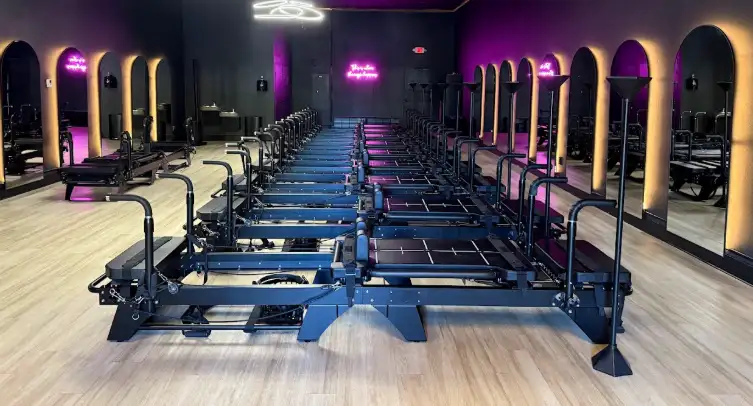
That evolution is clear in the ongoing debate around the differences between the megaformer and reformer. Both machines share Pilates foundations, but they are designed differently. The reformer is closer to tradition. The megaformer pushes intensity, blurring the line between Pilates and strength training.
This shift shows how far Pilates has travelled, from quiet studio mats to full-body conditioning on high-tech platforms.
Smarter Design, Smoother Training
Early machines were effective, but not perfect. Adjustments could feel clunky. Resistance is sometimes uneven. Today’s equipment has solved many of those issues.
- Resistance is smoother and more consistent.
- Movements flow seamlessly from one to the next.
- Machines are engineered to protect joints without lowering intensity.
The Sculptformer is one example. It is built for intensity, but without the pounding impact common in traditional gym workouts. A single turn of resistance makes it suitable for both gentle recovery and a challenging, sweat-inducing session.
This adaptability is part of what makes modern Pilates sustainable.
Data Meets Mindful Movement
Wearables and apps now play a role in Pilates sessions. Instant measurements are taken of the heart rate, calories burnt, and even the muscles can be observed.
This is not figures on a screen. The figures assist users in highlighting the vulnerabilities, monitoring postural alignment, and improving technique. Eventually, that feedback will allow smarter training decisions to be made.
Pilates has always been concerned with awareness. Technology provides an additional overlay in that people are actually shown how their physiologies react.
Pilates at Home
Still, studios remain a major part of the practice, although some people train at home. This has made machines lighter, foldable and installable. Combine that with live-class streaming or on-demand tutorials, and Pilates can be made accessible to a lot more people.
This transition was particularly noticeable in the course of the pandemic
Why Resistance Matters
From a health sciences perspective, controlled resistance is powerful. It engages stabilisers, improves posture, and strengthens without joint stress.
The benefits extend beyond fitness:
- Bone density support: moderate, weight resistance preserves bone density.
- Reduced injury risk: muscles absorb the weight, and the joints are spared.
- Strength with flexibility: operates his muscles, stretches out as they get stronger, becoming more flexible.
- Endurance: Stamina will be built by keeping muscles in a state of tension.
Modern machines enhance these effects by refining how resistance is applied. The NHS notes that strength and flexibility training are key to maintaining mobility, balance, and overall long-term health.
Posture in a Digital World
Think about how much time is spent sitting. Laptops, phones, and long commutes all strain the back and shoulders. Bad posture is now one of the most frequent ailments in clinics.
The reason that Pilates has always focused on posture is that modern machines take it to the next level. Proper alignment of the spine is achieved by stabilizing muscles and thus preventing the imposition of a load on them. When the changes are a long-term project, everyday movement becomes pain-free and more comfortable over the years.
This is why health professionals usually prescribe pilates in the rehabilitation process and sustained correction of postures.
Mental Health Benefits of Modern Pilates
The physical changes from Pilates are clear, but the mental benefits are just as powerful. Slow, controlled movements demand focus. Breathing patterns steady the nervous system. Stress levels begin to fall.
Modern equipment amplifies this by keeping workouts structured and flowing. Instead of worrying about complex transitions, users can concentrate fully on control and awareness. This makes each session feel like both a workout and a reset.
For people living in a fast-paced, tech-driven world, that reset matters. It is one reason Pilates has remained relevant for decades. The method strengthens not just the body but also the ability to stay calm and focused when life feels hectic.
According to Harvard Health, Pilates supports mental well-being as much as physical strength, helping reduce stress and improve body awareness.
Training for Life, Not Just Now
Many fitness programs push for fast results. “30 days to abs” or “six weeks to strength.” They might deliver a short-term change, but they rarely last.
Sustainable training looks different. The intensity can be dialled up or down, making it safe for decades of use. A young athlete and an older adult can use the same equipment; the difference is simply in how much resistance they apply.
That is why Pilates equipment has earned a reputation as a “lifelong” training method.
Tradition Still at the Core
For all the changes, the heart of Pilates remains the same: control, precision, breathing, and awareness. The technology just makes those principles easier to apply.
For some, this evolution has made Pilates more exciting. Instead of being labelled “slow” or “gentle,” modern Pilates feels dynamic. It bridges the gap between fitness, rehabilitation, and athletic training.
Looking Ahead
So what is next? Likely even smarter machines. Imagine resistance that adapts automatically, or AI-driven posture feedback delivered in real time.
But one thing will not change: the principle that mindful movement creates lasting strength. Technology can refine the delivery, but the foundation stays the same.
Final Thoughts
The story of Pilates is a story of evolution. From simple mats to advanced resistance platforms, the method has adapted with the times.
Machines like the Sculptformer are part of that story. They combine intensity, adaptability, and safety, showing what modern engineering can do. And the discussion of megaformer vs reformer proves how central equipment has become to shaping the Pilates experience.
At its core, Pilates is still about strength through control. Technology simply makes that strength more accessible, more adaptable, and more sustainable for life.